November 20, 2026
Reliable air conditioning helps Northwest Indiana homeowners stay comfortable during humid summers while supporting indoor air circulation and temperature control. Modern systems offer improved energy efficiency, flexible equipment options, and smart thermostats. Experienced AC installers evaluate each property's layout and cooling needs, helping homeowners choose equipment that balances comfort, performance, and long-term operating costs for lasting household comfort year-round.
Understanding the Growing Need for Home Cooling
Access to air conditioning is an important consideration for households around the world. According to WifiTalents, about 8% of the 2.8 billion people living in the world's hottest regions currently have access to air conditioning. This highlights how uneven access to indoor cooling remains, even as temperatures rise and the need for comfortable living environments becomes increasingly important.
In areas such as Northwest Indiana, air conditioning helps households manage seasonal humidity and heat. Summer conditions can make indoor spaces uncomfortable, particularly when humidity remains high overnight. A properly selected cooling system helps regulate indoor temperatures while managing moisture levels, contributing to a more pleasant home environment.
Modern systems offer more choices than older equipment, allowing homeowners to consider different capacities, configurations, and efficiency ratings. These options make it easier to find cooling solutions for various property sizes and layouts. Professional AC installers can evaluate a home's requirements and explain which equipment may provide the right balance of performance and operating costs.
Expanding Equipment Options for Different Homes
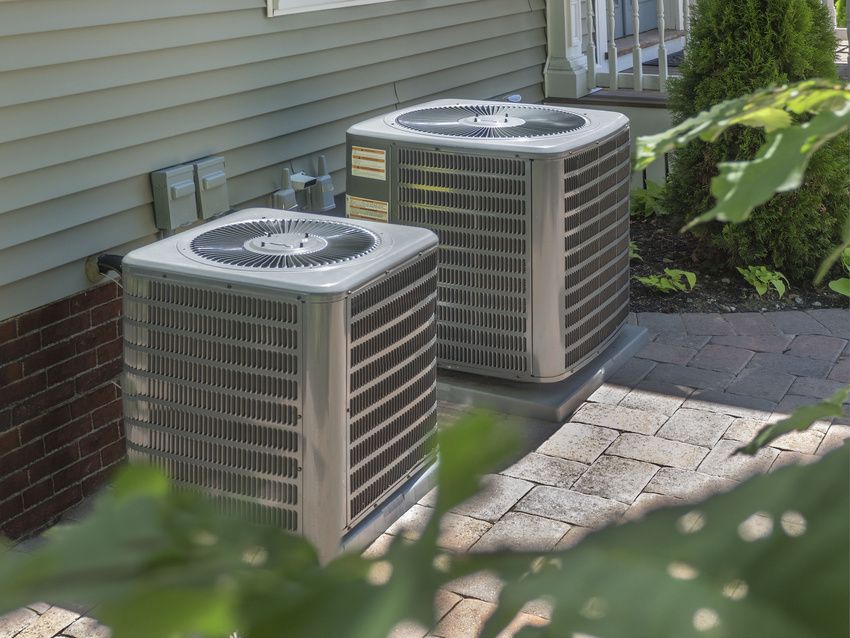
One reason modern cooling systems are more accessible is the variety of equipment available. Traditional central air conditioning remains a popular option for homes with existing ductwork, but it is no longer the only choice. Ductless mini-split systems, heat pumps, and other configurations offer alternatives for properties with different construction styles and cooling needs.
Central air conditioning distributes cooled air through a network of ducts, making it suitable for many single-family homes. For properties without existing ductwork, ductless systems can provide targeted cooling through indoor units connected to an outdoor compressor. These systems may also allow different rooms to maintain separate temperature settings, depending on the equipment selected.
Heat pumps provide both heating and cooling, making them practical for Northwest Indiana's changing seasons. System selection depends on insulation, layout, and existing equipment. Experienced AC installers can evaluate these factors, compare available options, and recommend a solution that supports year-round comfort, efficiency, and household needs.
Improving Energy Efficiency and Operating Costs
Energy efficiency is another major factor making modern cooling systems more appealing. Older air conditioners may consume more electricity than newer models while providing less consistent temperature control. Advances in compressor technology, refrigerants, fan motors, and system design have helped manufacturers develop equipment that can deliver cooling more efficiently.
Many modern systems use variable-speed or multi-stage technology. Rather than operating only at full capacity or shutting off completely, these systems can adjust output according to changing indoor conditions. This may help maintain more consistent temperatures while reducing unnecessary cycling.
Efficiency ratings also give homeowners a way to compare equipment. Seasonal Energy Efficiency Ratio 2 (SEER2) ratings indicate how efficiently an air conditioner operates under standardized seasonal testing conditions. Generally, a higher rating indicates greater efficiency, although actual energy consumption depends on factors such as usage, climate, insulation, and thermostat settings.
The initial purchase price is only one part of the overall cost of ownership. Electricity consumption, maintenance requirements, equipment lifespan, and potential repair expenses also influence long-term affordability. Professional AC installers can explain efficiency ratings and help homeowners compare systems based on their expected household needs.
Making Temperature Control More Convenient
Modern cooling systems increasingly include controls designed to make indoor comfort easier to manage. Programmable and smart thermostats allow homeowners to establish temperature schedules that reflect their daily routines. Instead of maintaining one temperature throughout the day, users can adjust settings for periods when the home is occupied or empty.
Some smart thermostats offer remote access through mobile applications, allowing homeowners to monitor and adjust indoor temperatures while away. Certain models can also learn household patterns, provide energy-use information, or integrate with compatible home automation systems.
These features can improve convenience while helping households manage cooling schedules more efficiently. However, compatibility varies by thermostat and HVAC equipment, so homeowners should confirm that selected controls work with their existing or planned system.
Zoning capabilities offer another way to improve comfort. A zoned system uses separate controls to manage temperatures in different areas of a home. This can be useful in larger properties where upstairs rooms, finished basements, or sun-exposed spaces experience different cooling demands. Proper system design is important to ensure that zoning components work as intended.
Supporting Installation in Different Property Layouts
Installation requirements can influence how accessible a cooling system is for a particular household. Older homes may have limited space for new equipment, outdated ductwork, or electrical configurations that require additional evaluation. Newer properties may offer more flexibility but still need properly sized equipment and carefully planned airflow.
Ductless systems can provide an alternative when installing or extending ductwork would be difficult. Their indoor units connect to an outdoor system through a small conduit, reducing the need for extensive duct construction. This can make them useful for additions, converted garages, finished basements, and individual rooms that receive insufficient cooling.
Central systems may be more practical for homes with existing ductwork, particularly when the distribution system is in good condition. However, duct leaks, poor insulation, and restricted airflow can reduce overall performance. Evaluating these details before installation helps ensure that the equipment can deliver cooled air effectively throughout the home.
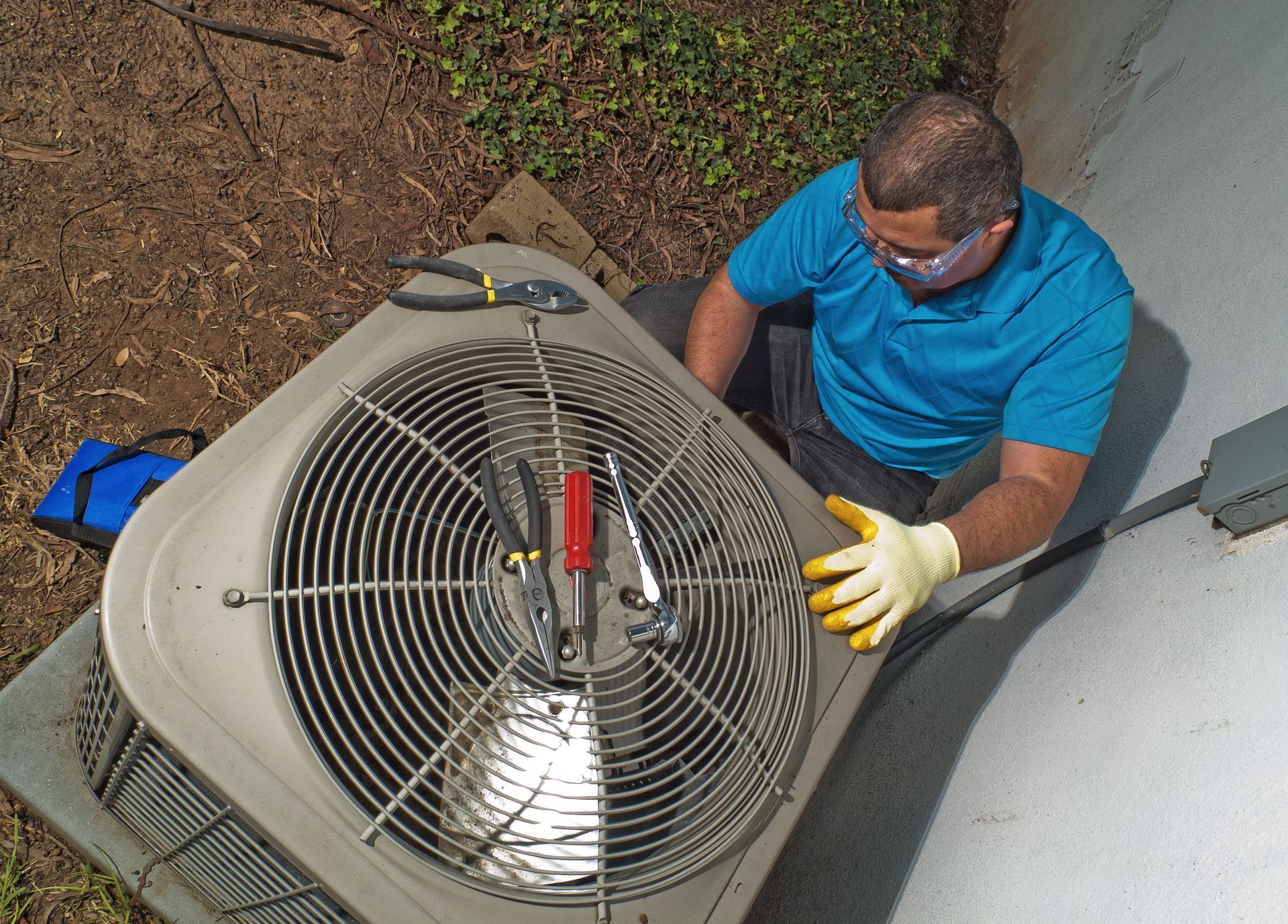
Professional AC installers assess the property's layout, existing infrastructure, electrical requirements, and cooling demands before recommending an installation approach. They also determine the appropriate system capacity. An undersized unit may struggle to maintain comfortable temperatures, while an oversized system can cycle too frequently and contribute to uneven humidity control.
Choosing Features That Improve Indoor Comfort
Modern cooling systems offer features that go beyond lowering the thermostat reading. Improved filtration, humidity management, quieter operation, and more consistent airflow can all contribute to a comfortable indoor environment.
Air filtration is especially important for households concerned about airborne particles. Depending on the system and filter selected, an HVAC unit can capture certain dust, pollen, and other particles as air circulates. Filter compatibility and replacement requirements should be considered when comparing equipment, since filtration performance varies among products.
Humidity control is another valuable feature in Northwest Indiana. Summer weather can bring elevated outdoor moisture levels, making indoor humidity management an important part of home comfort. Air conditioners remove some moisture as they cool the air, while certain systems offer additional humidity-control capabilities.
Noise levels may also influence equipment selection. Newer models often incorporate design improvements that reduce operating noise, although performance varies by manufacturer and system configuration. Homeowners may want to consider equipment placement and sound ratings when planning an installation.
Planning for Seasonal Performance and Maintenance
A cooling system must perform reliably under the conditions a home experiences throughout the year. In Northwest Indiana, summer heat and humidity place seasonal demands on air conditioning equipment, while winter temperatures make proper planning for year-round HVAC operation equally important.
Before installation, homeowners should consider how the system will handle peak summer conditions. Proper sizing, adequate airflow, appropriate refrigerant charge, and correctly installed components all contribute to dependable performance. Equipment selection should also account for the home's insulation, windows, occupancy, and exposure to direct sunlight.
Routine professional maintenance supports long-term reliability after installation. Inspections can help identify worn components, airflow restrictions, drainage concerns, and other developing issues. Keeping filters maintained according to manufacturer recommendations also supports proper airflow and system performance.
Qualified AC installers help homeowners select suitable equipment, ensure proper installation, and understand maintenance needs. With improved efficiency, flexible system options, and convenient controls, modern cooling solutions offer Northwest Indiana homeowners more accessible ways to achieve reliable comfort while accommodating different property layouts and budgets.
EcoEdge Systems Heating & Cooling helps local homeowners explore cooling options and professional installation services tailored to their needs.
Contact the team today to discuss your home's cooling requirements and schedule a consultation.