November 21, 2026
Choosing an HVAC company is important for maintaining comfort, energy efficiency, and equipment reliability. Northwest Indiana's humid summers and cold winters make dependable heating and cooling essential. Asking about experience, services, and qualifications helps homeowners evaluate contractors, understand their options, and make informed decisions about their home's long-term comfort.
1. What Experience and Qualifications Do You Have?
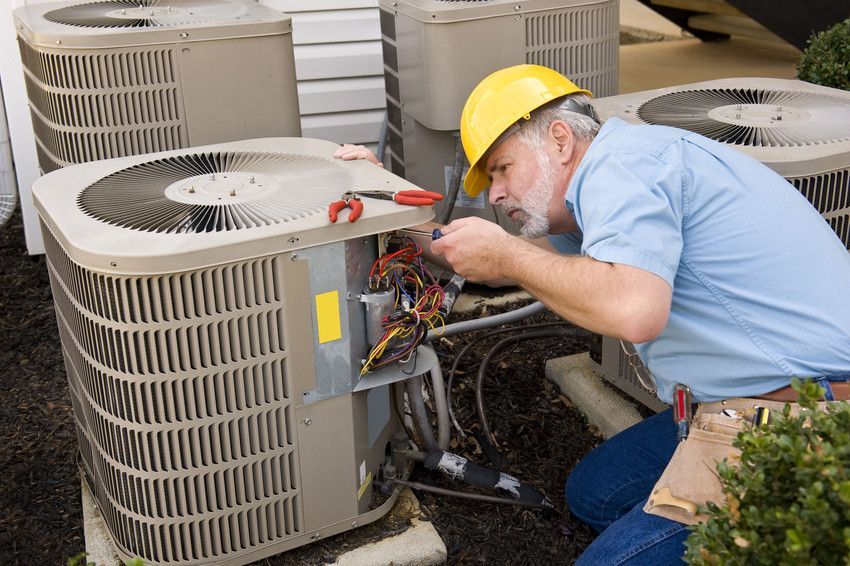
A contractor's experience can provide valuable insight into the quality and range of services they offer. Heating and cooling systems vary by manufacturer, equipment type, age, and configuration. A professional who regularly works with different systems may be better prepared to identify problems, explain available options, and recommend appropriate solutions.
Ask how long the business has provided HVAC services and whether its technicians have relevant training and certifications. It is also helpful to understand whether the team has experience with the specific equipment in your home, such as central air conditioning, heat pumps, furnaces, or ductless mini-split systems.
Licensing and insurance are equally important. Appropriate credentials help demonstrate that a contractor meets applicable requirements, while insurance provides important protection for both the service provider and the property owner. Homeowners can also ask whether technicians receive ongoing training to stay familiar with changing equipment standards, technologies, and installation practices.
The heating and cooling industry includes many providers. According to IBISWorld, the United States has more than 118,433 businesses operating as HVAC contractors. This broad market makes it worthwhile to evaluate qualifications carefully rather than choosing a provider based solely on convenience or price.
An established HVAC company should be willing to discuss its background, explain the services it performs, and answer questions about technician qualifications. Clear answers can help homeowners determine whether the contractor has the experience needed for the project.
2. What Services Do You Provide?
Not every contractor offers the same range of heating and cooling services. Some focus primarily on repairs, while others also provide system replacements, new installations, seasonal maintenance, and indoor air quality solutions. Understanding a provider's capabilities helps homeowners determine whether the business can address their current needs and support future equipment requirements.
For example, a homeowner experiencing uneven temperatures may need more than a simple equipment repair. The issue could involve airflow, ductwork, insulation, or system sizing. A thorough evaluation can help identify the underlying cause and determine which services may improve comfort.
Ask whether the contractor works with both heating and cooling equipment. In Northwest Indiana, homeowners often rely on air conditioning during humid summer weather and dependable heating when winter temperatures fall. Having access to a provider familiar with both systems can make ongoing equipment care more convenient.
It is also worth asking whether the business offers preventive maintenance. Routine professional inspections can help identify developing concerns, evaluate system performance, and keep equipment operating according to manufacturer recommendations. Maintenance needs may vary by equipment type, age, and usage, so homeowners should understand what a service agreement or maintenance visit includes.
A qualified HVAC company should explain its service options clearly and help homeowners understand which solutions are appropriate for their equipment, property, and comfort goals.
3. How Do You Evaluate and Recommend Equipment?
When a heating or cooling system needs replacement, selecting new equipment involves more than choosing a brand or model. The system must be appropriate for the home's size, layout, insulation, windows, and other characteristics. Proper sizing is particularly important because equipment that is too large or too small may struggle to maintain consistent indoor temperatures.
Ask how the contractor determines which system is appropriate for your home. A professional evaluation may include reviewing square footage, ceiling heights, insulation levels, window placement, ductwork, and existing equipment. These details help technicians assess heating and cooling requirements rather than relying on a general estimate based only on the home's dimensions.
Energy efficiency is another important consideration. Modern systems may offer features designed to reduce energy consumption while maintaining indoor comfort. However, the most efficient model is not automatically the right choice for every property. Equipment costs, operating expenses, expected usage, and compatibility with existing components should all factor into the recommendation.
Homeowners may also want to discuss features such as variable-speed operation, programmable thermostats, zoning, and humidity control. In a region with humid summers, managing indoor moisture can contribute to a more comfortable environment. The right combination of equipment and controls depends on the home's specific needs.
An experienced HVAC company should explain why a particular system is recommended, describe its expected benefits, and provide information about available efficiency ratings. Clear comparisons make it easier to understand the options and choose equipment that aligns with household priorities.
4. What Are Your Pricing and Warranty Policies?
Before approving work, homeowners should understand the expected costs and what the quoted price includes. A written estimate helps clarify the proposed services, equipment, materials, labor, and any additional charges that may apply. It also provides a useful reference when comparing contractors.
Ask whether the estimate includes removal of old equipment, installation materials, electrical or ductwork modifications, permits when required, and disposal fees. If unexpected issues arise during the project, homeowners should understand how additional work will be communicated and approved.
Warranty coverage deserves attention as well. New heating and cooling equipment may include manufacturer warranties for certain components, while contractors may offer separate labor coverage. These protections are not necessarily the same, so it is important to understand what each covers, how long coverage lasts, and whether registration or maintenance requirements apply.
For repair work, ask whether replacement parts and labor are covered and what happens if the same issue returns. A professional contractor should explain the applicable terms without making unrealistic promises about equipment performance or lifespan.
The lowest estimate may not represent the best overall value. Differences in equipment quality, installation practices, service coverage, and warranty terms can affect the long-term cost of ownership. Reviewing these details helps homeowners make a more informed decision.
5. How Do You Handle Scheduling and Customer Support?
Reliable communication is an important part of a positive service experience. Before hiring a contractor, ask how appointments are scheduled, how service requests are handled, and what homeowners can expect when a technician arrives.
For example, it is helpful to know whether the business provides appointment windows, sends updates about technician arrival times, and explains the work before beginning. Homeowners should also understand how the company communicates findings, discusses repair options, and answers questions after service is complete.
Seasonal availability can matter in Northwest Indiana. During the hottest summer periods or the first cold stretches of winter, demand for heating and cooling service may increase. Asking about scheduling procedures and emergency service availability can help homeowners understand what support may be available when equipment problems arise.
Customer support also extends beyond the appointment itself. Ask how the business handles follow-up questions, warranty concerns, and service records. Clear documentation can be useful when tracking maintenance, reviewing previous repairs, or planning future equipment upgrades.
An HVAC company that values communication should make it easy for customers to understand the work being performed and know whom to contact with questions. Professional service involves not only technical expertise but also respectful interactions and clear expectations throughout the process.
Hiring a heating and cooling contractor is an investment in household comfort and equipment performance. Asking about qualifications, service offerings, equipment recommendations, pricing, and customer support can help homeowners evaluate their options and select a provider that meets their expectations. Taking time to compare these details is especially worthwhile in Northwest Indiana, where seasonal temperature changes make dependable climate control essential.
For professional heating, cooling, installation, repair, and maintenance services, EcoEdge Systems Heating & Cooling serves homeowners throughout the Northwest Indiana area. Contact the team today to discuss your home's comfort needs and schedule professional HVAC service.